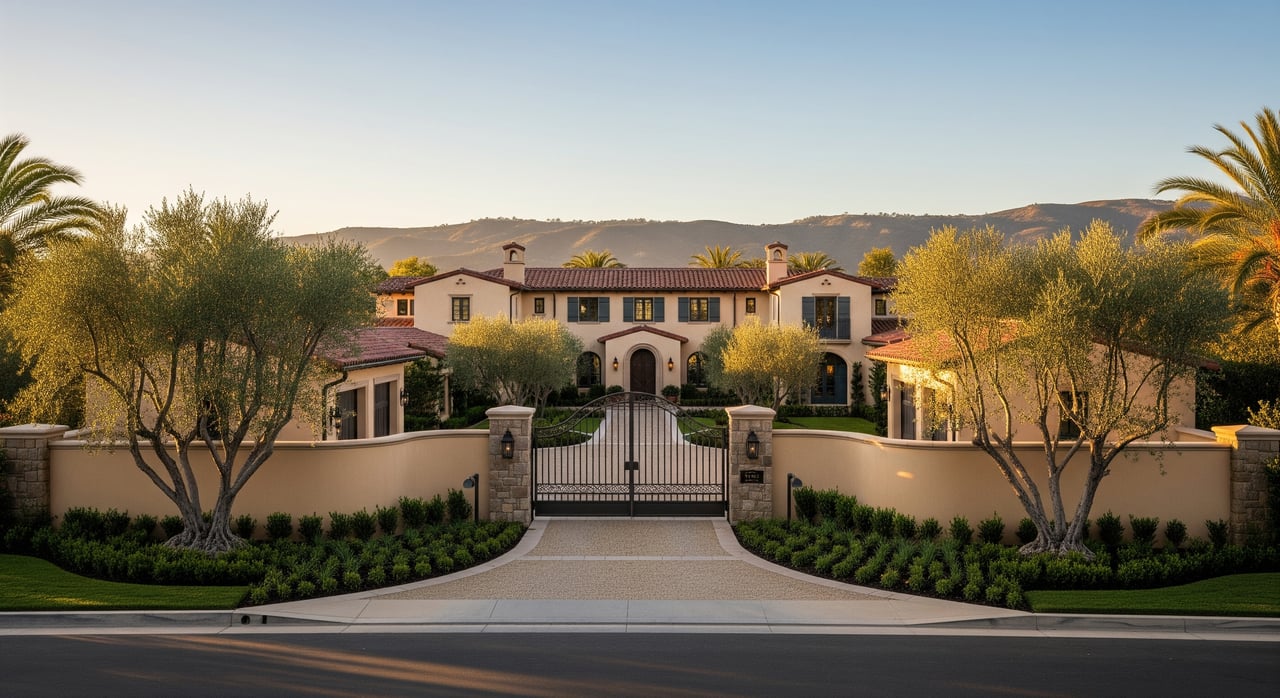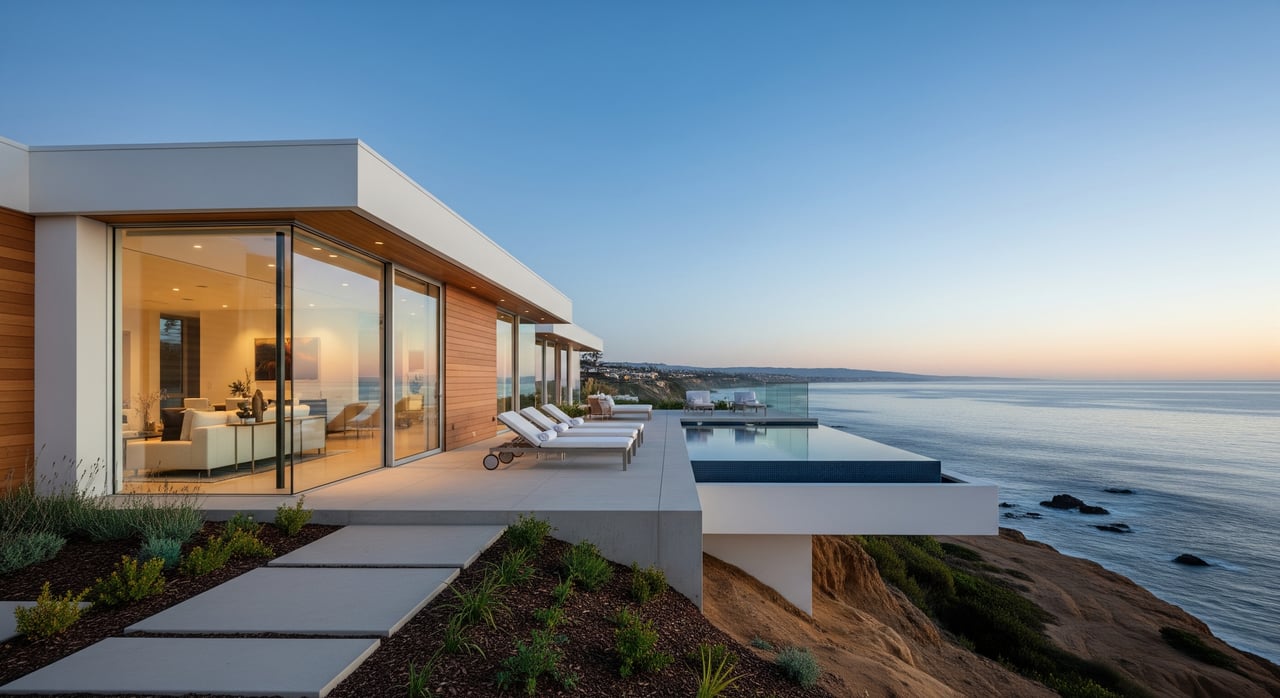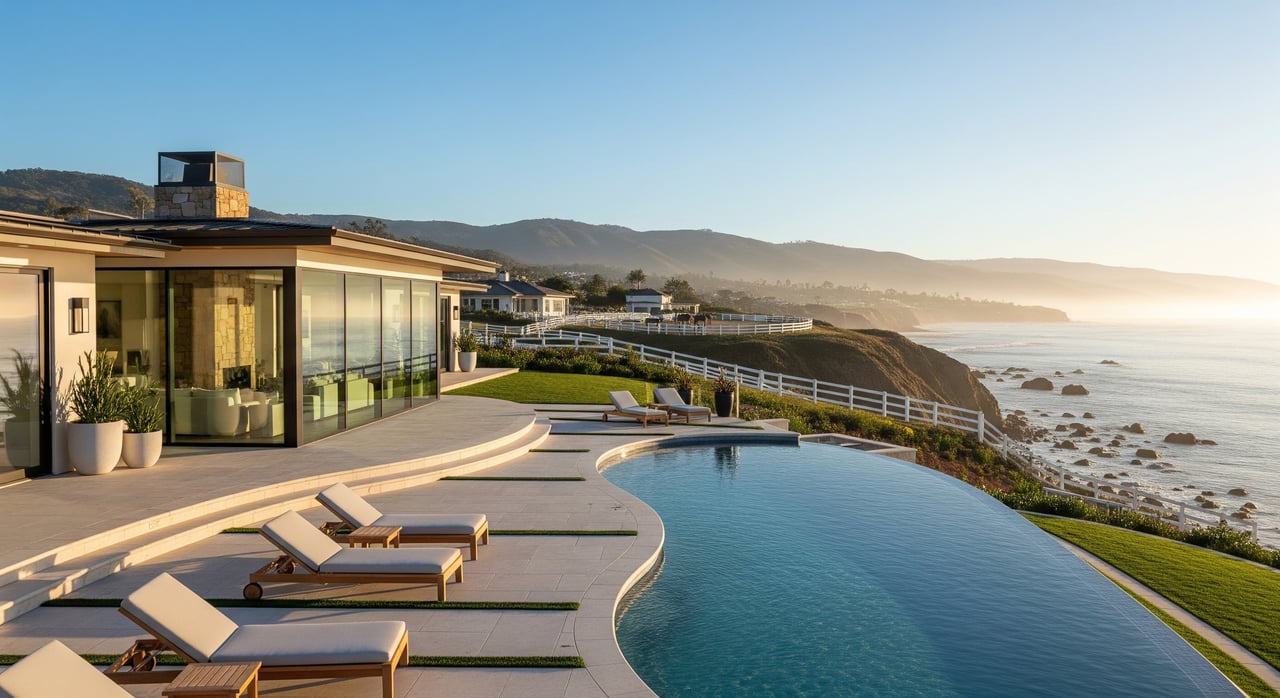
Thinking about a San Diego beach estate or a Rancho Santa Fe equestrian retreat? You want clarity on where the luxury market is heading and how to move with confidence. In this guide, you’ll learn what is driving demand, where the opportunities are, and the key risks to plan for across coastal and acreage properties. Let’s dive in.
San Diego luxury snapshot 2025
According to Axios in March 2025, San Diego’s metro median sale price hovered near the one million mark, reflecting a market that is still expensive but moderating. Inventory has improved from pandemic lows, yet premium locations continue to command strong interest. Cash remains influential at the high end, and Axios reported a pullback in cash’s overall share in 2024, while luxury listings still attract a higher-than-average cash presence. Reports also show a split in performance, with mid‑luxury homes moving faster than some ultra‑luxury listings. Source: county market overview and cash trends, cash share context, ultra‑luxury slowdown.
Coastal luxury trends
Where buyers look
San Diego’s coastal luxury enclaves include La Jolla, Del Mar, Coronado, Solana Beach, Pacific Beach, and select North County oceanfront neighborhoods. Product types range from bluff‑top estates to beachfront cottages and gated coastal communities. Pricing and price per square foot vary widely by micro‑location and lot specifics.
What drives demand
Lifestyle access, views, and limited coastline support long‑term demand. Permitting constraints and geography limit new supply, which helps maintain scarcity for prime sites. Buyers include local executives and entrepreneurs, out‑of‑state purchasers, and a share of international buyers, with cash common at the top end.
Inventory and pricing behavior
Coastal medians remain among the highest in the county, with La Jolla’s detached median frequently in the multi‑million range. Well‑priced, well‑located coastal homes still trade quickly, while some trophy estates can see longer marketing times and adjustments. For local snapshots, La Jolla’s monthly updates provide helpful context. See an example neighborhood update.
Climate and permitting realities
Sea‑level rise and erosion are material factors for valuation and insurance along San Diego’s shoreline. Regional science from Scripps and NOAA points to increased nuisance flooding and erosion risk by mid‑century, which affects bluff stability, permitting, and long‑term maintenance planning. The City’s Coastal Resilience efforts and the California Coastal Commission’s guidance can shape what is feasible for shoreline protection and future permitting on coastal parcels. Sea‑level science context, City planning and resilience, Coastal Commission guidance.
Coastal buyer checklist
- Verify bluff stability and geotechnical reports, plus any shoreline stabilization work and permits.
- Review local coastal development permits, easements, and any public access claims.
- Check FEMA flood maps and recent king‑tide or storm events, and confirm flood insurance availability and cost.
- Price in potential future mitigation, and understand constraints on armoring or major shoreline changes.
Equestrian market insights
Key acreage areas
Rancho Santa Fe stands as the region’s premier luxury equestrian enclave, with large lots and club access anchoring demand. Other equestrian‑friendly areas include Ramona, Valley Center, Bonsall, parts of Escondido, and select inland North County parcels such as Poway for smaller horse properties. Rancho Santa Fe also ranks among the county’s highest‑priced ZIP codes, reflecting sustained luxury demand. High‑price ZIP context.
Zoning and permitted uses
Equestrian use depends on city or county zoning and specific parcel designations. Rules for number of animals, barns and arenas, setbacks, ADUs, and water and septic capacity can vary. In Rancho Santa Fe’s Covenant and similar communities, association standards and local guidelines may add further requirements. Always confirm allowances with local planning and any applicable associations before you write an offer.
Costs and daily operations
Budget for fencing and arena upkeep, barn and equipment maintenance, feed and veterinary care, and staff or boarding costs if you outsource. Properties with wells and septic need routine testing and maintenance. Larger estates often use dedicated managers or seasonal help to maintain grounds, infrastructure, and safety protocols.
Wildfire and water considerations
Many acreage properties sit in the wildland‑urban interface with elevated wildfire risk. Cal Fire’s Fire Hazard Severity Zone designations can affect defensible space requirements, insurance availability, and building standards. Water availability and well performance can also influence value and operating costs. Check Fire Hazard Severity Zones.
Equestrian buyer checklist
- Confirm zoning and animal‑keeping allowances with city or county planning, plus any HOA or Covenant rules.
- Request well yield tests, irrigation rights, and septic capacity records for residences and barns.
- Inspect fencing, paddock drainage, barn permits, service roads, and potential trail access.
- Review the property’s Fire Hazard Severity Zone and defensible space requirements.
Financing, insurance, and valuation
Cash and jumbo lending
At the top end, cash and heavy‑equity financing remain common. Lenders often apply stricter underwriting for nonstandard properties, including acreage or complex improvements. If you plan to finance, pre‑qualify with a lender experienced in jumbo or portfolio loans early in the process.
Insurance planning
California’s homeowners insurance market has tightened, especially in high‑hazard areas. Some carriers have limited new policies and requested rate increases, which can affect coastal homes exposed to flood or erosion and inland estates exposed to wildfire. Confirm carrier availability, premium ranges, and any retrofit needs before you remove contingencies. Insurance market context.
What shapes value
- Coastal: Setback from the bluff, view corridors, direct beach access, and documented coastal permits can meaningfully change value. Thorough documentation reduces uncertainty and supports pricing.
- Equestrian: Usable acreage, permitted horse capacity, barns and arenas, water infrastructure, and proximity to clubs or shows drive premiums. Covenant or HOA rules can either enhance or limit appeal depending on your goals.
Seller strategies in today’s market
Price and preparation
Price to recent comparable sales within your exact micro‑market, factoring site specifics like bluff history or permitted equestrian capacity. Today’s buyers are selective, and overpricing can extend days on market, especially at the very top end. Strong documentation and realistic pricing invite serious offers.
Coastal marketing focus
Present a complete file: coastal permits, geotechnical or bluff reports, flood zone information, and any resilience upgrades like elevated utilities or erosion‑conscious landscaping. Highlight true differentiators such as private access, outdoor living spaces, and privacy features, supported by credible documentation. City resilience resources, Coastal guidance.
Equestrian marketing focus
Document permitted uses, animal allowances, and the maintenance history of arenas, barns, fencing, and roads. Provide well yield tests, water rights information, and septic details. High‑quality visuals and clear site maps help buyers evaluate functionality and capacity at a glance.
Is now the right time?
If you are focused on prime coastal or Rancho Santa Fe‑area equestrian property, opportunities exist in both segments. Mid‑luxury coastal homes that are well located and well priced continue to move, while select ultra‑luxury listings may offer more negotiation room. On acreage, the best‑prepared properties with clear permits and strong infrastructure stand out. If you want a confidential strategy tailored to your goals, connect with Patricia Kramer for boutique, senior‑level advisory across San Diego’s coast and Rancho Santa Fe.
FAQs
What is the 2025 San Diego median home price context?
- Axios reported in March 2025 that San Diego’s median sale price was near the one million mark, with prices still high as activity moderates.
Are ultra‑luxury homes taking longer to sell in San Diego?
- Reports in 2024 and 2025 indicate longer marketing times at the very top end, while well‑located coastal homes under roughly 6 million continue to attract buyers.
How risky is sea‑level rise for coastal homes in San Diego?
- Scripps-backed guidance shows increasing nuisance flooding and erosion risks by mid‑century, which can affect bluff stability, insurance, and future permitting.
What should I verify before buying an equestrian estate?
- Confirm zoning and animal allowances, permits for barns and arenas, well and septic capacity, fencing and drainage, and the property’s wildfire hazard designation.
How are insurance costs affecting luxury buyers?
- With carriers tightening in California, buyers in wildfire or coastal hazard zones should confirm availability and budget for higher premiums or required retrofits early in the process.